Designing the Queue: Managing Concurrent Renderings
In a studio environment, managing concurrent renderings is crucial. We explore the intricacies of queue design when multiple brands require rendering simultaneously.
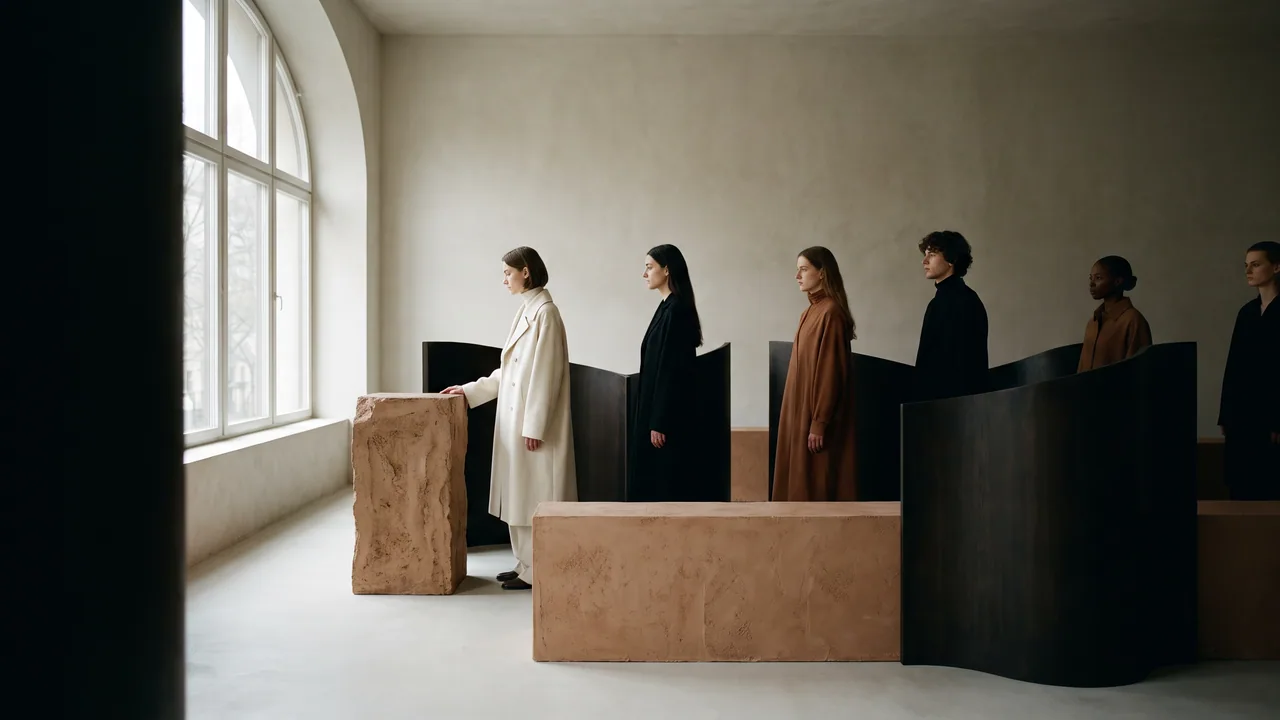
The Challenge of Concurrent Renderings
In our studio, the intricacies of rendering can often lead to a bottleneck, particularly on a Thursday afternoon when multiple brands require our services. This scenario is not uncommon in the fashion photography landscape, where deadlines are tight and expectations high. When four independent brands concurrently submit requests for rendering, the implications ripple through our operations, each request demanding computational resources and time.
The average rendering time for a high-quality image can range from 15 minutes to several hours, depending on the complexity of the scene and the specifications provided by the brands. When multiple brands are in the queue, we must carefully manage our resources to ensure that each rendering meets the expected delivery times. This is where a well-designed queue system becomes essential.
Each brand may have its own unique requirements, from specific model poses to intricate background details. This diversity necessitates a flexible approach to queue management, allowing for prioritisation based on urgency, brand identity, and project scale. We often find ourselves weighing the trade-offs between speed and quality, a delicate balance that can affect client satisfaction and our studio’s reputation.
Understanding Queue Dynamics
A key aspect of queue design involves understanding the dynamics at play when multiple brands submit rendering requests. In a typical scenario, we might receive requests from different brands, each with varying levels of urgency. For instance, one brand may require a quick turnaround to meet an upcoming campaign launch, while another may have more flexible deadlines.
Our approach to managing these requests involves categorising them based on urgency and complexity. By implementing a tiered system, we can ensure that high-priority requests are processed first without neglecting the needs of other brands. This method not only optimises our workflow but also helps to maintain a clear communication channel with our clients regarding expected timelines.
Moreover, our queue management system utilises a sophisticated algorithm to allocate rendering resources efficiently. This algorithm takes into account the number of active requests, the estimated rendering time for each, and the available computational power. By doing so, we can significantly reduce idle time and maximise output, allowing us to handle concurrent requests more effectively.
“A well-designed queue system is essential to maintaining our studio’s efficiency and client satisfaction.”
The Role of Technology in Queue Management
Technological advancements play a crucial role in the efficiency of our queue management. With the integration of AI tools and automated systems, we can streamline the rendering process, allowing us to manage multiple requests with greater ease. For example, modern solutions like on-model generation enable us to produce high-quality images without the need for extensive manual adjustments.
Additionally, we leverage cloud-based rendering services, which provide scalability when faced with increased demand. The ability to distribute rendering tasks across multiple servers allows us to handle peaks in workload without compromising on quality or speed. This is particularly useful on days like Thursday afternoons, when multiple brands might simultaneously require our services.
Furthermore, integrating feedback loops within our queue system ensures that we are continuously improving our processes. By analysing rendering times and client feedback, we can identify bottlenecks and make necessary adjustments to our workflow, ultimately enhancing our productivity and service quality.
Communicating with Brands
Effective communication is paramount when navigating the complexities of concurrent renderings. We strive to keep our clients informed at every stage of the rendering process, from initial submission to final delivery. By providing regular updates on the status of their requests, we can manage expectations and foster a collaborative relationship.
Utilising project management tools, we can share timelines and milestones with our clients, allowing them to track progress in real-time. This transparency not only builds trust but also enables brands to make informed decisions regarding their campaigns. In instances where delays are unavoidable, clear communication allows us to discuss potential solutions and adjust timelines accordingly.
Moreover, our approach to client communication extends beyond just updates. We actively seek feedback on the rendering process and the final outputs. This information is invaluable as it helps us refine our queue management strategies and better understand the specific needs of each brand. By fostering an open dialogue, we can enhance our service offerings and ensure that we meet the diverse needs of our clients.
Evaluating the Cost of Rendering
As we manage concurrent renderings, it is essential to consider the financial implications of our processes. The cost of rendering can vary widely based on several factors, including complexity, time, and the resources required. A typical rendering project may range from a few hundred to several thousand euros, depending on the brand’s specifications and the desired quality.
By evaluating what a shoot actually costs , we can provide our clients with a transparent breakdown of expenses associated with their rendering requests. This level of transparency not only aids in budgeting but also helps brands understand the value of the services we provide.
Furthermore, as we explore ways to optimise our queue and rendering processes, we also consider the potential savings that can be realised through efficiency improvements. By reducing rendering times and minimising resource wastage, we can ultimately lower costs for both our studio and our clients.
Anticipating Future Needs
As we look to the future, we recognise that the demands of the fashion industry will continue to evolve. The rise of digital fashion and the increasing reliance on virtual campaigns necessitate a proactive approach to queue design and rendering management. We are committed to investing in technologies that will enhance our capabilities and allow us to remain competitive in a rapidly changing landscape.
Moreover, we are exploring opportunities to expand our editorial campaigns and diversify our service offerings. By understanding the trends and needs of independent fashion brands, we can tailor our queue management strategies to accommodate a broader range of requests. This adaptability will be crucial as we navigate the complexities of concurrent renderings in the years to come.
In conclusion, the management of concurrent rendering requests is a multifaceted challenge that requires thoughtful design and implementation of queue systems. As we continue to refine our processes and adopt new technologies, we remain committed to providing exceptional service to our clients, ensuring that we meet their needs while maintaining our studio's efficiency.
For more insights and to explore our offerings further, visit Atelier Noir .