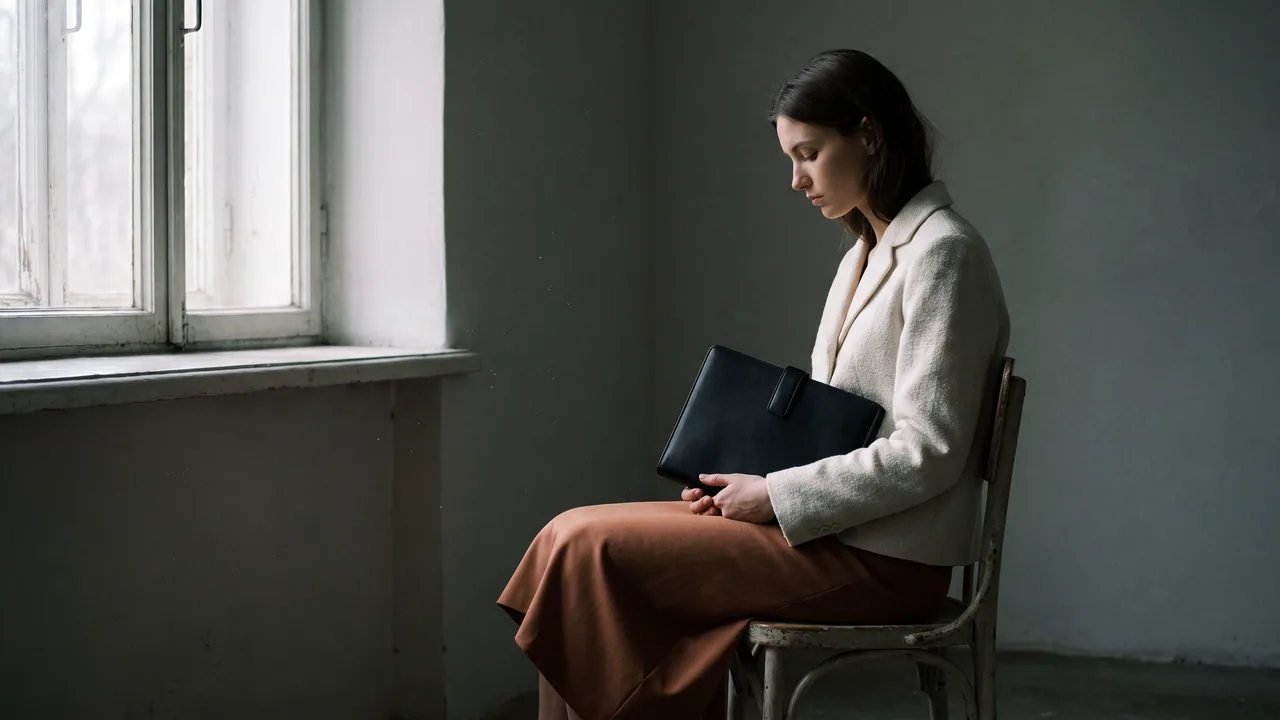
Determinism as a Feature in Fashion Campaigns
Exploring the role of determinism in fashion photography, we delve into seeding, versioning, and the ability to reproduce campaigns with precision.
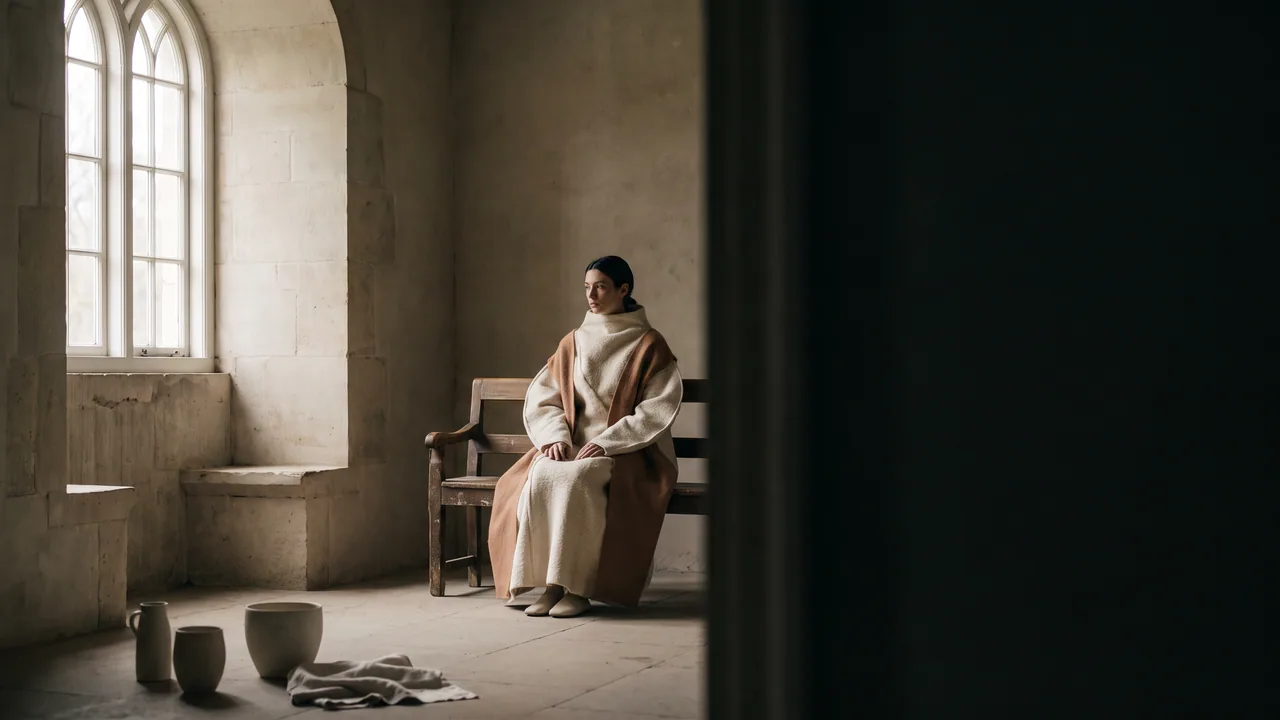
The Essence of Determinism in Fashion Photography
In the realm of fashion photography, the concept of determinism is often overlooked, yet it plays a pivotal role in the process of creating captivating campaigns. By establishing a deterministic framework, we can ensure that our photographic outputs remain consistent and aligned with the brand's vision. This consistency is crucial, especially in an industry where aesthetics and identity are paramount. With the right tools and techniques, we can produce work that resonates with the intended audience while maintaining the integrity of the brand.
At Atelier Noir, we understand that fashion brands, particularly independent labels, require a reliable system to produce their campaigns. This is where seeding becomes essential. Seeding refers to the initial parameters set for a campaign, which guide the creative process. By pre-defining these parameters, we can replicate the desired aesthetic and narrative, thus allowing for a coherent visual identity across multiple campaigns.
Moreover, the beauty of a deterministic approach lies in the ability to revisit and reproduce a campaign a year later, ensuring that the essence of the original campaign is retained. This capability can be particularly beneficial for brands seeking to maintain a consistent image over time, allowing them to evoke nostalgia or re-engage their audience with familiar visuals.
Versioning: The Art of Crafting Multiple Iterations
Versioning plays a crucial role in the lifecycle of a campaign. In a typical fashion shoot, there may be numerous edits and adjustments made after the initial capture. This iterative process can lead to inconsistencies, making it challenging to align a brand’s vision across different seasons or collections. However, with a deterministic framework, we are able to create distinct versions of a campaign while maintaining control over the core elements that define the brand’s identity.
Using tools that allow for versioning, we can easily modify specific aspects of a campaign, such as colour grading, styling, or even the models featured. This flexibility enables a brand to adapt its visual narrative without straying from its established aesthetic. For instance, a brand might choose to present a summer collection with a vibrant palette, while its winter campaign could take on a more muted tone, yet both campaigns would still reflect the same underlying identity.
In practice, this means that when a brand comes back to us for a new campaign, we can reference previous iterations and build upon them, ensuring that each new release feels fresh yet familiar. This continuity is vital for brands aiming to cultivate a loyal following among consumers who appreciate the evolving yet consistent nature of the brand's visual identity.
“A deterministic framework allows us to revisit and reproduce campaigns with precision, maintaining the essence of the original.”
Reproducing Campaigns: The Value of Consistency
The ability to reproduce campaigns accurately is invaluable in the fashion industry, where trends can shift dramatically from season to season. A brand may wish to return to a successful campaign from the past, either to reinvigorate interest or to leverage its established popularity. By utilising a deterministic approach, we can recreate the exact conditions under which the original campaign was produced, including the specific models, lighting, and styling choices.
For example, if a brand launched a particular collection that resonated well with audiences, they might want to reintroduce that collection a year later. With the right tools, we can recreate the visuals that originally captured attention, ensuring that the experience remains authentic. This also applies to the use of on-model generation techniques, which can seamlessly integrate past campaigns into new contexts while maintaining continuity.
In this way, brands can harness the power of nostalgia while also embracing new opportunities for engagement. The capacity to reproduce a campaign effectively allows brands to not only celebrate their heritage but also to build upon it, creating a layered narrative that resonates with both new and returning customers.
The Role of Technology in Achieving Determinism
Advancements in technology have significantly contributed to the feasibility of a deterministic approach in fashion photography. Tools and software that allow for high levels of precision and control have become essential in the creative process. From advanced editing applications to sophisticated AI-driven solutions, the tools available today enable us to achieve a level of consistency that was once difficult to attain.
For example, the use of mannequin-to-model technology allows us to create lifelike representations of clothing on models without the need for a physical shoot. This not only expedites the production process but also allows for rapid iteration and adjustment. The ability to quickly generate new versions of a campaign based on previous inputs means that we can react to market trends or brand evolutions with agility.
As we continue to explore the intersection of technology and creativity, we find that determinism is not just a feature; it is a fundamental aspect of our craft. By embracing these advancements, we can enhance our ability to tell compelling stories through fashion photography, while maintaining the integrity and identity of the brands we represent.
Challenges and Considerations
While the benefits of a deterministic approach are clear, there are inherent challenges that must be navigated. One significant concern is the risk of becoming overly reliant on technology at the expense of creativity. It is essential to strike a balance between leveraging deterministic processes and allowing for spontaneous creativity that often leads to unique and unexpected outcomes.
Moreover, as we reproduce campaigns and create variations, there is a fine line between consistency and stagnation. Brands must ensure that while they maintain their core identity, they also evolve in response to changing consumer preferences and market dynamics. This requires a thoughtful approach to versioning and reproduction, ensuring that each new campaign feels relevant while still honouring the brand’s heritage.
Ultimately, the challenge lies in understanding when to adhere to the deterministic framework and when to allow for deviations that may lead to innovative outcomes. By being mindful of these dynamics, we can continue to produce work that not only meets the expectations of brands but also excites and engages their audiences.
Looking Ahead: Embracing the Future of Fashion Photography
The future of fashion photography is one that embraces the nuances of determinism while also celebrating the unpredictable nature of creativity. As we advance our techniques and refine our processes, we find opportunities to blend technology with artistic expression, allowing for campaigns that resonate on multiple levels.
We envision a landscape where fashion brands can confidently revisit their visual narratives, knowing that they have the tools to recreate them with precision. By fostering a collaborative environment between technology and creativity, we can push the boundaries of what is possible in fashion photography.
As we continue to explore these possibilities, we invite our peers in the industry to join us on this journey. The interplay between determinism and creativity offers a rich terrain for exploration, one that can yield innovative results that honour the past while paving the way for the future.