The Economics of Digital vs. Physical Fashion Shoots
Exploring the financial implications of digital and physical fashion photography for independent brands.

The Cost of Traditional Photography
In the world of fashion, the allure of a traditional photoshoot is undeniable. A physical shoot involves a multitude of costs that can quickly accumulate. From studio rental rates, which can range between £500 to £2,000 per day, to the fees for photographers, stylists, and models, the expenses can spiral. A typical mid-range shoot might require a budget upwards of £5,000 when considering all associated costs, including post-production. These figures often compel independent brands to reconsider their strategies.
Moreover, the logistics associated with traditional shoots add layers of complexity and expense. Travel costs for models and crew can further inflate budgets. For instance, if a brand requires a model from another city, travel and accommodation can easily add another £1,000 to £2,000 to the total bill. Such financial burdens can limit creativity and restrict the ability to experiment with diverse concepts.
We must also consider the environmental impact of physical shoots. The transportation of teams and equipment, the use of resources, and the waste generated from set designs are significant factors. These considerations increasingly weigh on the minds of brands that seek to align their practices with sustainable values.
Digital Shoots: A New Paradigm
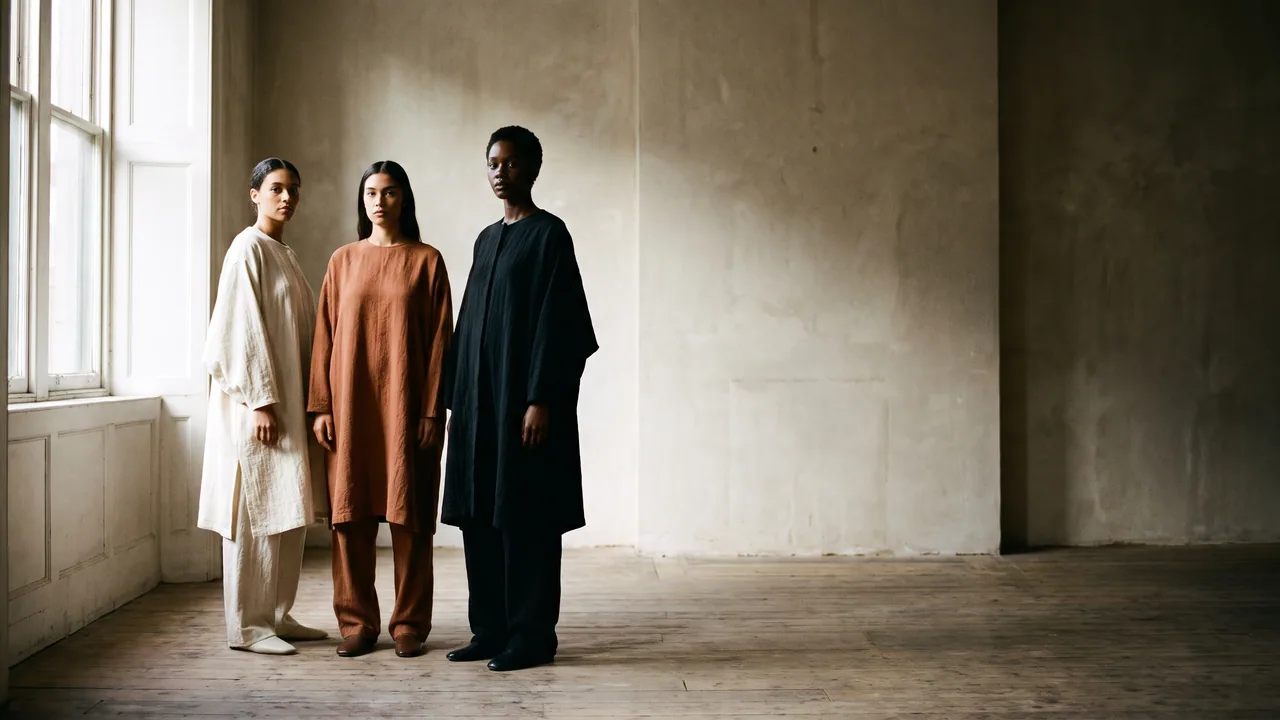
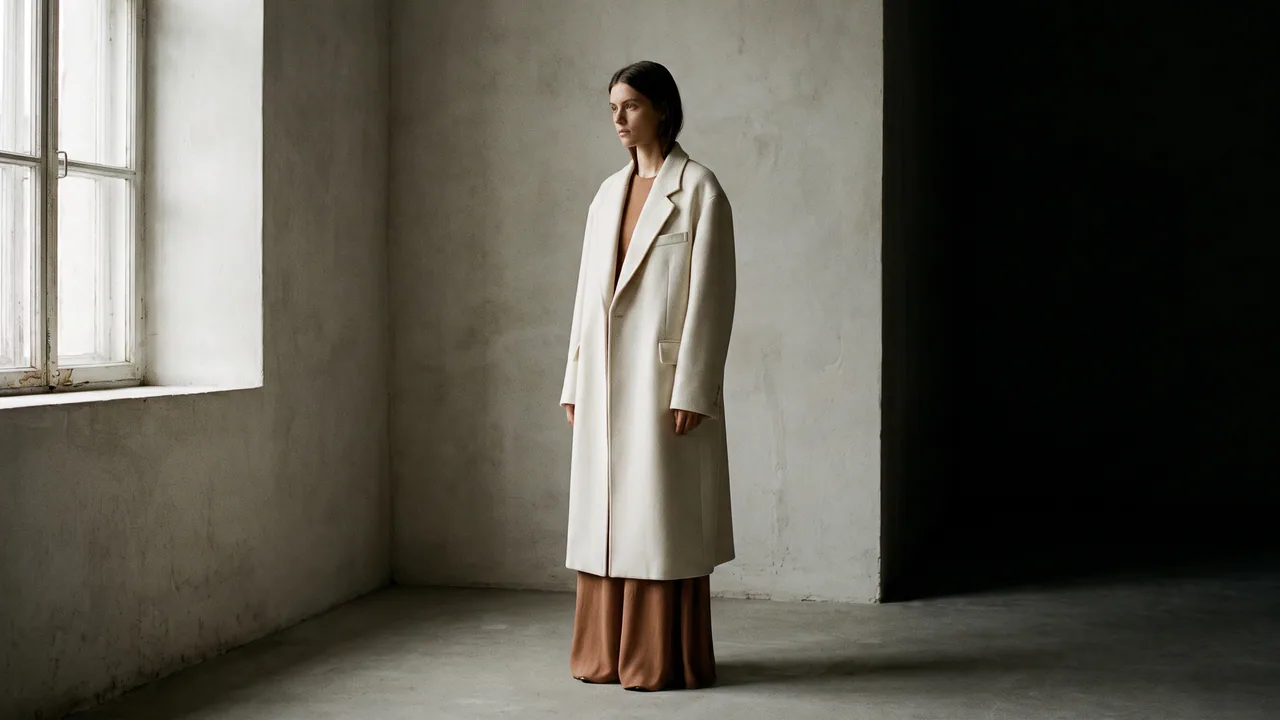
The advent of digital photography, particularly through platforms like Atelier Noir, presents a compelling alternative. With offerings that allow brands to generate high-quality imagery without the traditional overheads, the economics begin to shift. Digital shoots can reduce costs by 50% or more, depending on the specific needs of the project. This reduction allows brands to allocate resources toward other vital areas, such as material innovation or marketing strategies.
One of the standout features of digital fashion photography is the ability to create custom imagery on-demand. This flexibility allows brands to experiment with various styles and concepts without incurring additional costs for rescheduling or new bookings. For instance, a brand can generate an entire editorial campaign within the confines of its brand kit, adapting visuals as trends shift or consumer interests evolve.
Furthermore, digital solutions eliminate the need for physical logistics entirely. Brands can access a diverse range of models and styles without the associated travel and accommodation costs. This accessibility is especially beneficial for independent brands that typically operate with tighter budgets.
Speed and Efficiency
In addition to cost savings, the speed of digital production is a significant advantage. Traditional shoots often require extensive planning, scheduling, and coordination, which can take weeks or even months. In contrast, digital shoots can produce results in a matter of days. For example, brands can receive final edits of their campaigns within 48 hours, a stark contrast to the typical turnaround times of several weeks for physical shoots.
This rapid turnaround not only facilitates quicker time-to-market for new collections but also allows brands to respond promptly to emerging trends. An independent brand can capitalise on current fashion movements without the prolonged cycle of traditional production. This immediacy can significantly enhance a brand’s competitiveness in an increasingly fast-paced industry.
“The shift towards digital photography reshapes our creative and economic landscape.”
Quality Considerations
Quality remains a primary concern in the debate between digital and physical photography. The misconception that digital imagery cannot match the quality of traditional methods is increasingly being challenged. With advancements in AI and machine learning, digital platforms can produce images that not only rival but sometimes surpass those captured in traditional settings. Techniques like on-model generation and editorial campaigns allow for precise control over aesthetics, lighting, and styling.
Moreover, the ability to customise models to reflect diverse identities enhances the authenticity of the imagery produced. Brands can now portray a broader range of representations without the limitations of physical casting processes. This diversity resonates with consumers who increasingly demand authenticity and representation from the brands they support.
However, the inherent creativity of a human touch in a physical shoot cannot be entirely replicated. There is a unique artistry that emerges from collaborative efforts on set, which can sometimes feel sterile in a purely digital environment. Balancing these two worlds becomes a matter of understanding the strengths and limitations of each approach.
The Environmental Impact
As the fashion industry grapples with its environmental footprint, the sustainability of production methods takes on heightened importance. Traditional shoots contribute significantly to carbon emissions through travel and resource use. In contrast, digital photography presents a more sustainable option. By minimising the need for physical transportation and reducing waste, brands can align their practices with sustainable fashion principles.
While the production of digital imagery does have its own environmental costs, particularly in terms of energy consumption, the overall impact is less intensive than that of a physical shoot. As brands become more environmentally conscious, opting for digital solutions can be a step towards reducing their ecological footprint.
Future Directions
As we move forward, the intersection of technology and creativity will continue to reshape the fashion photography landscape. The economic advantages of digital photography will likely attract an increasing number of independent brands who seek to maximise their resources. This trend could lead to a gradual redefinition of industry standards, where digital becomes the norm rather than the exception.
Moreover, as tools for digital creation evolve, we can expect to see an expansion in the types of content that brands can produce. From moving campaigns to immersive experiences, the possibilities are vast. The ability to create tailored content quickly and economically could lead to a new era of brand storytelling.
In conclusion, the economics of digital versus physical fashion shoots are complex and multifaceted. While traditional methods have their merits, the advantages of digital platforms are compelling, particularly for independent brands navigating a challenging landscape. By embracing these new methodologies, we can foster a more sustainable, efficient, and creative future in fashion photography.
To explore how digital solutions can enhance your fashion campaigns, we invite you to learn more about Atelier Noir .