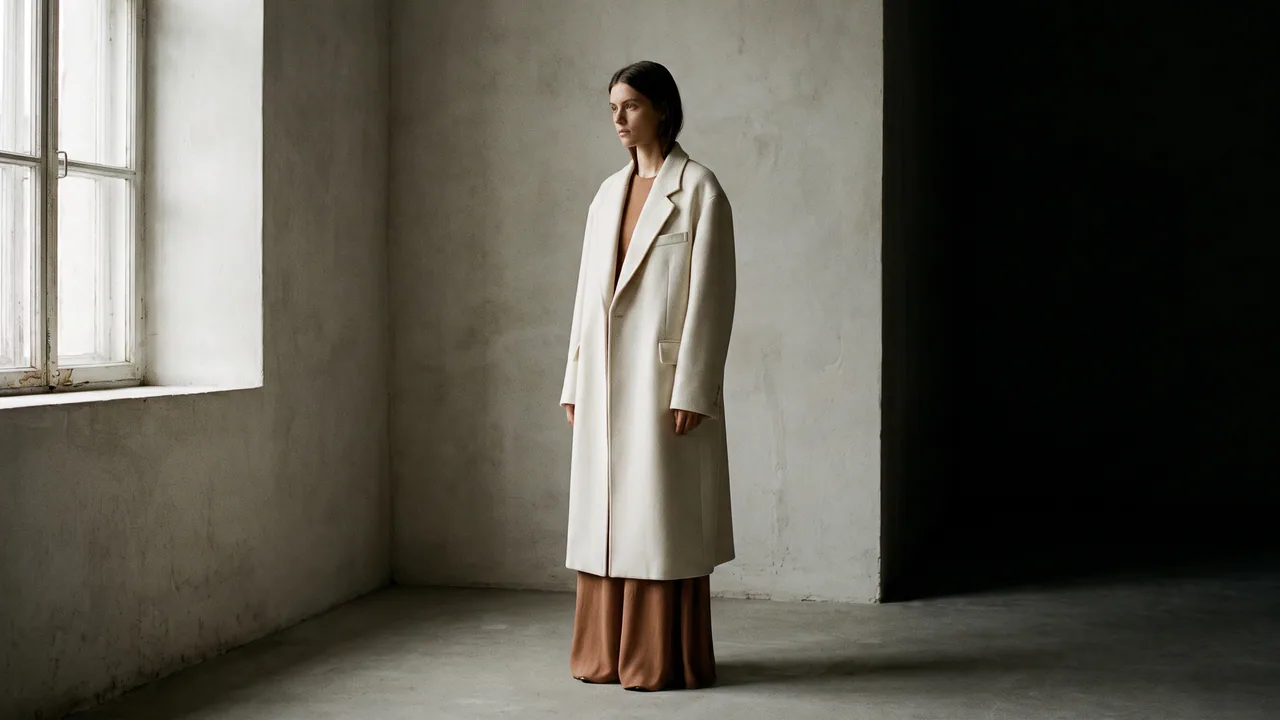
Enhancing Diversity in Fashion Campaigns Through AI
AI offers innovative solutions for increasing diversity in fashion campaigns, enabling brands to represent a wider range of identities and styles.
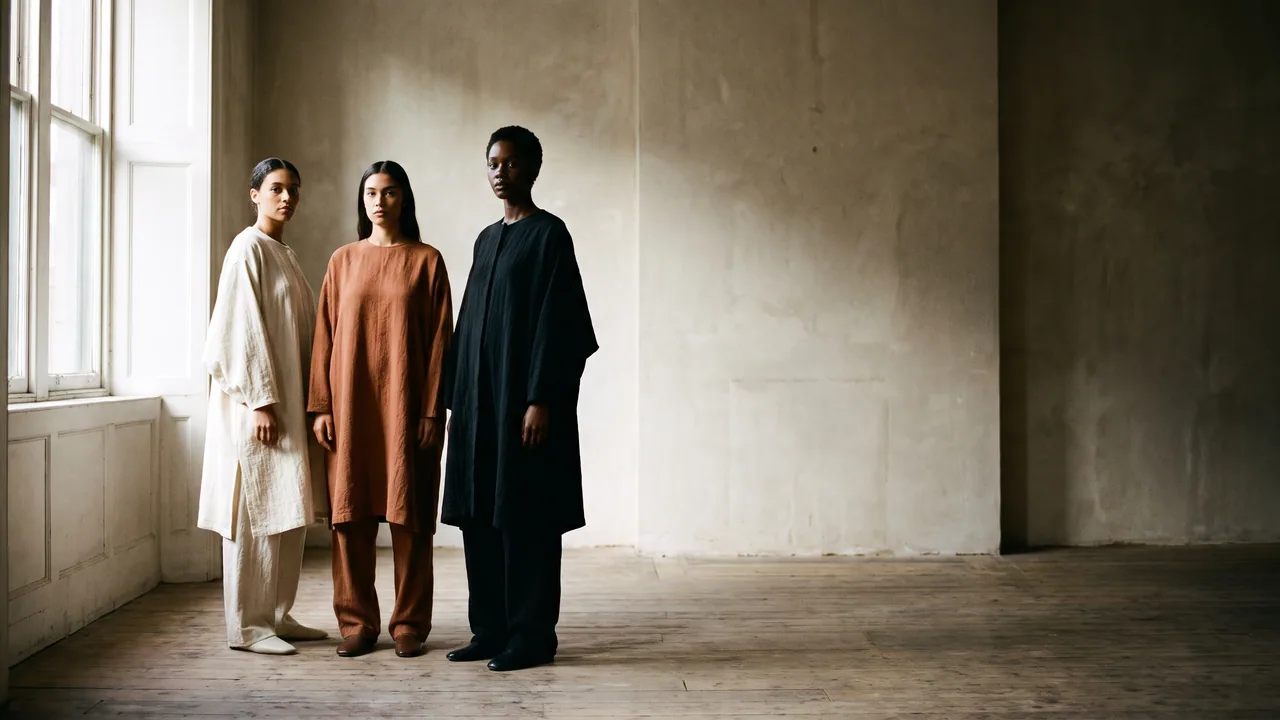
The Challenge of Diversity in Fashion
The fashion industry has long grappled with the challenge of representation. Despite significant progress over the past decade, many brands still struggle to showcase authentic diversity within their campaigns. A 2021 study revealed that over 70% of fashion advertisements featured predominantly white models, underscoring the need for change. This lack of inclusivity not only alienates potential customers but also limits the creative possibilities for brands seeking to tell richer, more varied narratives.
Independent fashion brands often face additional challenges when trying to address these issues. Limited budgets and resources can hinder their ability to cast a diverse array of models and produce high-quality content. The traditional studio shoot, while effective, can be prohibitively expensive, particularly for smaller ateliers that may be just starting to carve out their niche in the market. In this context, innovative solutions that facilitate diversity without compromising quality can be transformative.
As we explore the intersection of technology and fashion, it becomes clear that artificial intelligence offers practical tools to enhance diversity in fashion campaigns. By enabling brands to create tailored content that reflects the richness of human experience, AI can help redefine the visual language of fashion.
AI-Driven Model Generation
One of the most promising applications of AI in fashion is the ability to generate diverse models through on-model generation. This technology allows brands to create lifelike images of models representing various ethnicities, body types, and aesthetics without the constraints of traditional casting. By harnessing AI algorithms trained on diverse datasets, brands can explore a vast range of identities that align with their brand ethos.
For instance, imagine a small atelier aiming to launch a new collection inspired by multicultural influences. Using AI tools, they can generate a series of campaign images featuring models from different backgrounds, each presenting the collection in a way that resonates with their respective cultures. This approach not only saves time but also allows for a more authentic representation of the target audience.
Furthermore, AI-generated models can be integrated into a brand's locked kit, ensuring that all marketing materials consistently reflect the brand's identity while remaining inclusive. This method preserves the creative vision while expanding the possibilities for representation.
The Role of Customisation in Campaigns
Customisation has become a fundamental aspect of modern fashion, and artificial intelligence facilitates this in ways previously thought impossible. When it comes to editorial campaigns, the ability to tailor imagery to various demographics can significantly enhance relatability. AI tools can analyse customer data and trends, allowing brands to create bespoke campaigns that resonate with specific audiences.
For example, a brand might analyse its customer base in London and realise there is a strong desire for inclusive representations of different gender identities. By using AI to generate models that reflect this demographic, the brand can create tailored marketing materials that speak directly to its audience. This level of customisation not only strengthens brand loyalty but also fosters a sense of belonging among consumers.
“AI allows us to explore a wider spectrum of identities, creating campaigns that resonate with diverse audiences.”
Efficiency and Cost-Effectiveness
Utilising AI in fashion campaigns can also lead to significant cost savings. Traditional photoshoots often require substantial investment in locations, models, and production teams, with an average shoot costing anywhere from £5,000 to £20,000. In contrast, AI-generated content can be created at a fraction of the cost, enabling brands to allocate their resources more effectively.
For independent labels, this cost-effectiveness can be a game-changer. It allows smaller brands to produce high-quality campaigns without the financial burden typically associated with traditional photography. The ability to produce images quickly—often within days rather than weeks—means brands can respond to market trends and consumer demands with greater agility.
Moreover, the reduction in physical resources needed for a shoot translates into a lower environmental impact, aligning with the increasing demand for sustainable practices in fashion. As more brands adopt eco-conscious approaches, the integration of AI offers a viable path towards sustainability while fostering diversity.
Visual Storytelling and Narrative Depth
The power of storytelling in fashion campaigns cannot be overstated. With AI, brands are not only able to create diverse models but also to craft narratives that reflect a variety of cultural experiences. By leveraging machine learning algorithms, brands can analyse successful campaigns and identify the elements that resonate with different audiences.
This analytical capability allows for a more nuanced approach to visual storytelling. For example, a brand might draw inspiration from historical references, contemporary issues, or cultural motifs, all while ensuring that the models and settings reflect the intended narrative. This depth of storytelling can transform a simple campaign into a powerful commentary on identity and inclusivity.
As we witness the shift towards more representative fashion, the role of AI in shaping these narratives will only grow. Fashion brands that embrace this technology will likely find themselves at the forefront of a movement that prioritises authenticity and inclusivity.
The Future of Fashion and AI
Looking ahead, the integration of AI in fashion campaigns is set to redefine the landscape of the industry. As technology continues to evolve, we can anticipate even more sophisticated tools that facilitate diversity and inclusivity. This progression will not only benefit brands but also consumers, who will increasingly seek representation in the fashion narratives that surround them.
Moreover, as AI becomes more accessible, we expect to see a broader range of independent brands adopting these technologies. This democratization of fashion photography will allow for a wider array of voices and perspectives to emerge, enriching the cultural fabric of the industry.
Ultimately, the future of fashion lies in its ability to reflect the diverse world we inhabit. By embracing AI, brands can create campaigns that not only resonate with their audiences but also push the boundaries of creativity and inclusivity.
We invite you to explore more about how Atelier Noir can assist your brand in building truly representative editorial campaigns, leveraging AI to reflect the diversity of your audience.