Navigating Ethical Considerations in AI Fashion Imagery
As AI reshapes the fashion industry, we explore the ethical implications of AI-generated imagery and its impact on brand identity.
Contextualising AI in Fashion Photography
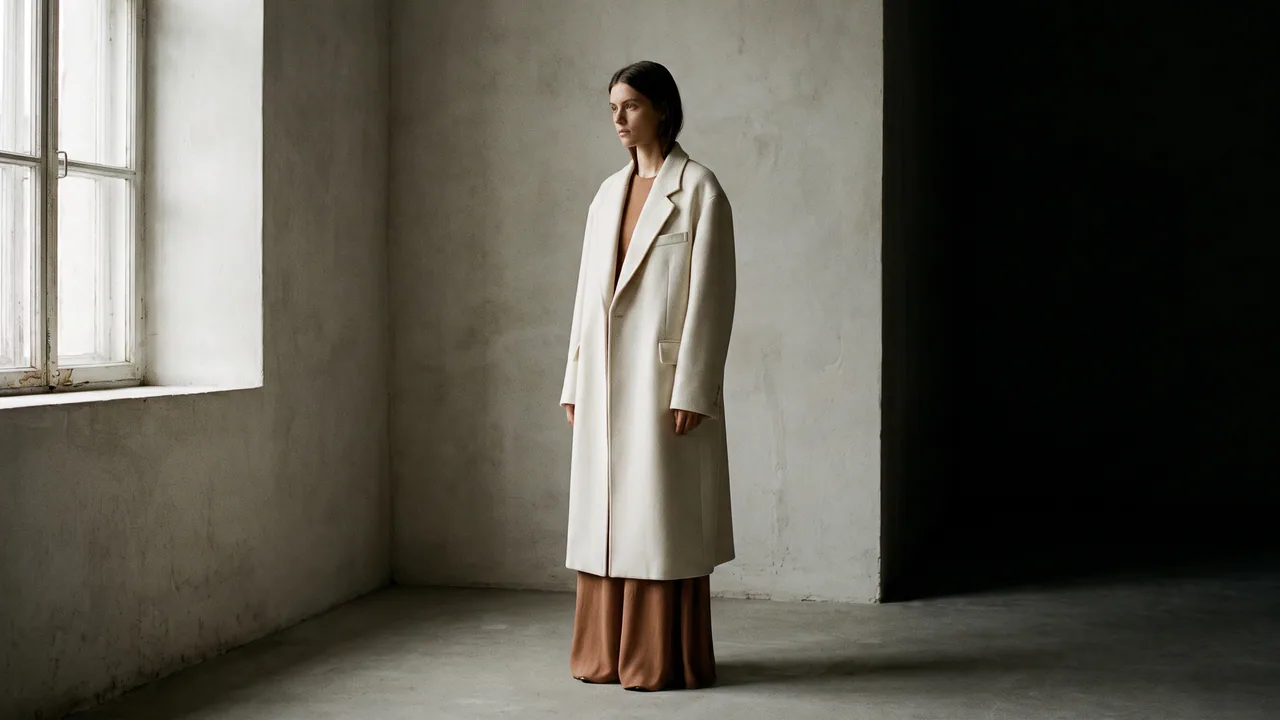
The integration of artificial intelligence into fashion photography has ushered in a new era for independent brands. In a landscape where visual storytelling is paramount, AI offers tools that enhance creativity while simultaneously challenging conventional practices. The shift from traditional studio shoots to AI-generated imagery raises important questions about authenticity, representation, and the very nature of artistry.
As founders and creative directors at small ateliers in cities like Milan and Paris, we are witnessing this transformation firsthand. We understand that the allure of AI lies in its potential to streamline processes and reduce costs, yet this innovation must be approached with a critical eye. The ethical considerations surrounding AI imagery are multifaceted, necessitating a thorough examination of how these tools impact our craft.
One primary concern is the potential for misrepresentation. As AI-generated models become increasingly lifelike, there is a risk that they may perpetuate unrealistic beauty standards. This is particularly salient in an industry that has long grappled with issues of diversity and inclusivity. If we are to embrace AI, we must ensure that it serves as a tool for positive representation rather than a means to reinforce outdated ideals.
Authenticity and the Brand Narrative
At the heart of every fashion brand lies its narrative, a story that encapsulates its values and ethos. The introduction of AI-generated imagery raises the question of authenticity—can a digitally created model truly embody the spirit of a brand? For small ateliers, where identity is often intricately tied to the craftsmanship and storytelling, this question becomes particularly pressing.
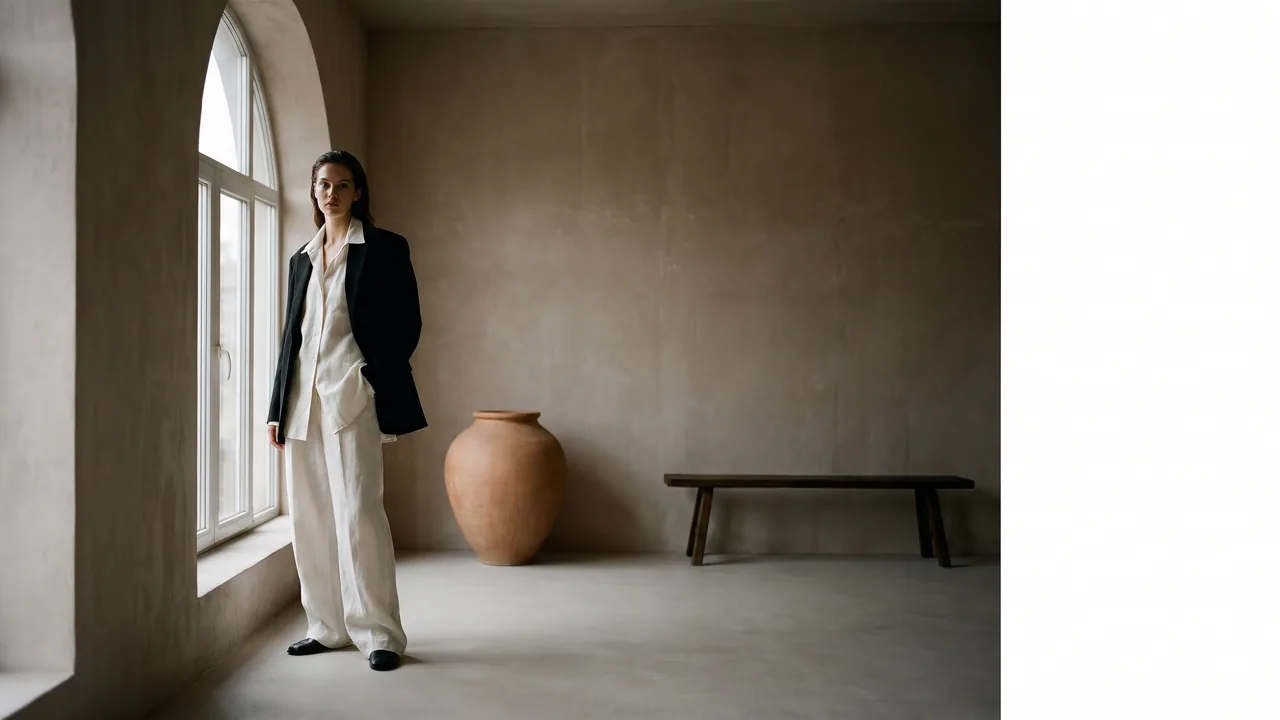
In our practice, we utilise tools that allow for on-model generation, creating striking visuals while maintaining alignment with our brand's narrative. This process fosters a sense of authenticity, as the imagery produced is not merely a reflection of trends but a genuine expression of our identity. Yet, as we navigate these waters, we must remain vigilant about the narratives we construct. AI should enhance our storytelling, not replace the human touch that makes our brands unique.
Moreover, the relationship between the creative director and the technology must be symbiotic. Employing AI should not diminish the role of the artist; instead, it should empower them to explore new dimensions of their craft. The challenge lies in striking the right balance between innovation and authenticity, ensuring that our brand narratives remain compelling and true to our vision.
AI should enhance our storytelling, not replace the human touch that makes our brands unique.
Representation in AI Imagery
The conversation around diversity in fashion has gained momentum in recent years, and AI technologies are not exempt from scrutiny. The algorithms that drive AI image generation are trained on datasets that can often reflect historical biases. As independent brands, we must consider the implications of these biases on our creative output.
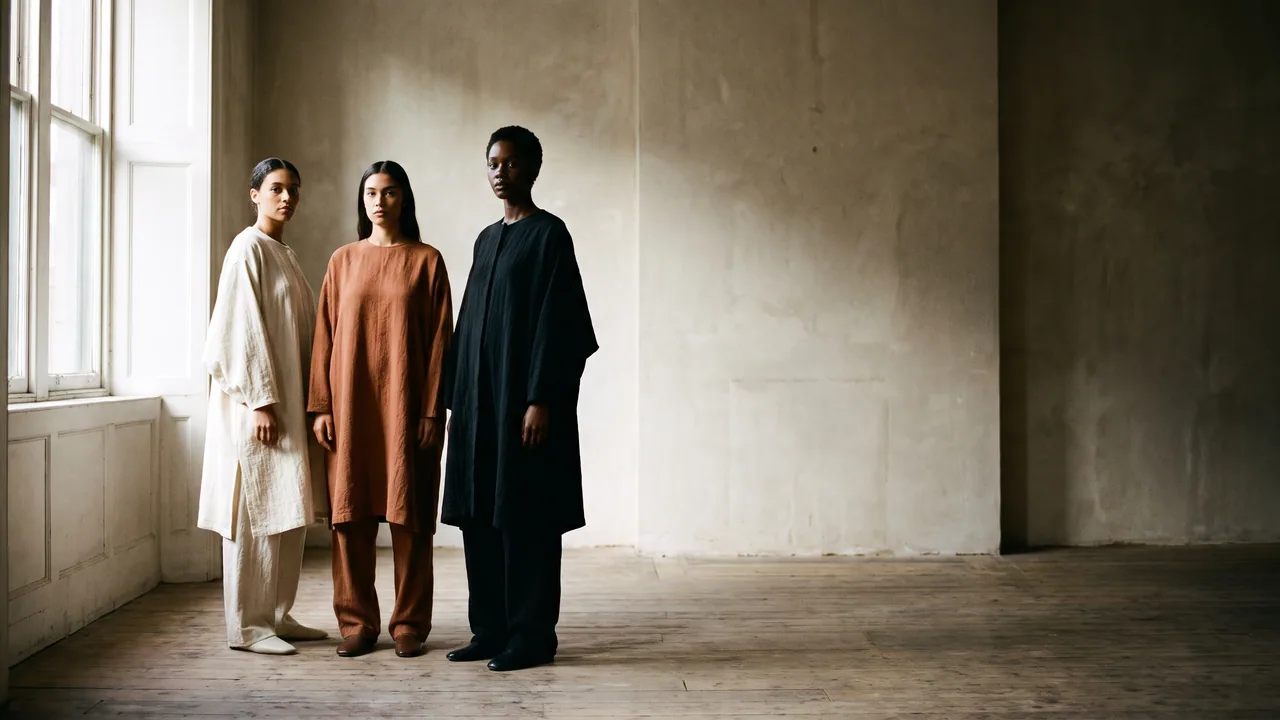
When crafting campaigns, we have a responsibility to ensure that our visuals are inclusive and representative of the diverse world in which we live. This extends beyond just the models we choose to portray; it encompasses the entire creative process, from concept development to final output. By actively seeking out diverse perspectives and voices, we can mitigate the risk of reinforcing stereotypes or inadvertently marginalising underrepresented groups.
Moreover, tools that facilitate diverse casting range, such as AI-driven model selection, can assist us in creating more inclusive campaigns. By employing these technologies thoughtfully, we can broaden our visual narratives and challenge the status quo within the industry.
Legal and Copyright Considerations
As we explore the capabilities of AI in fashion photography, we must also navigate the murky waters of legal and copyright issues. The advent of AI-generated imagery raises questions about ownership and intellectual property. Who owns the rights to an image created by an AI? Is it the creator of the algorithm, the user, or the brand that commissioned the work?
These questions have far-reaching implications for independent brands, particularly as we strive to protect our creative output. Engaging with legal experts and remaining informed about the evolving landscape of copyright law is essential. As we harness AI for our editorial campaigns, we must ensure that our practices are not only innovative but also compliant with the legal frameworks that govern our industry.
Furthermore, transparency is paramount. As we integrate AI into our workflows, it is crucial to communicate openly with our audiences about the role of technology in our creative processes. By fostering a culture of honesty, we can build trust with our customers, ensuring that they understand the value of both human artistry and technological innovation.
The Future of AI in Fashion Imagery
Looking ahead, the role of AI in fashion photography will only continue to expand. As we embrace these tools, it is vital that we approach them with a spirit of curiosity and caution. The potential for creativity and efficiency is immense, yet it must be tempered with a commitment to ethical practice.
We must remain vigilant in our efforts to cultivate a responsible approach to AI, one that prioritises authenticity, representation, and legal integrity. As independent brands, we have the opportunity to set the tone for the future of fashion imagery, shaping a landscape that values innovation without compromising our core principles.
In doing so, we can create a vibrant ecosystem where technology and artistry coexist harmoniously. By utilising AI thoughtfully, we can build editorial campaigns that resonate with our audiences, reflecting the diverse narratives that define our industry.
Embracing the Ethical Journey
As we navigate the complexities of AI in fashion imagery, it is essential to remember that ethical considerations are not mere obstacles but integral components of our creative journeys. Each decision we make—whether it involves choosing the right tools or determining how to represent our brand—shapes the narratives we tell and the impact we have on our industry.
Engaging in this dialogue is not only necessary for our brands but also for the broader fashion community. By sharing our experiences and insights, we can foster a culture of accountability and responsibility, encouraging others to consider the ethical implications of their practices. The choices we make today will resonate far beyond our individual brands, influencing the trajectory of the fashion industry as a whole.
In conclusion, as we embrace the possibilities presented by AI, let us remain committed to nurturing a landscape that values both technological advancement and ethical integrity. The future of fashion imagery is bright, and by working together, we can ensure it reflects the diverse, inclusive, and human-centric values we hold dear. To delve deeper into the world of AI and fashion, we invite you to explore more at Atelier Noir .