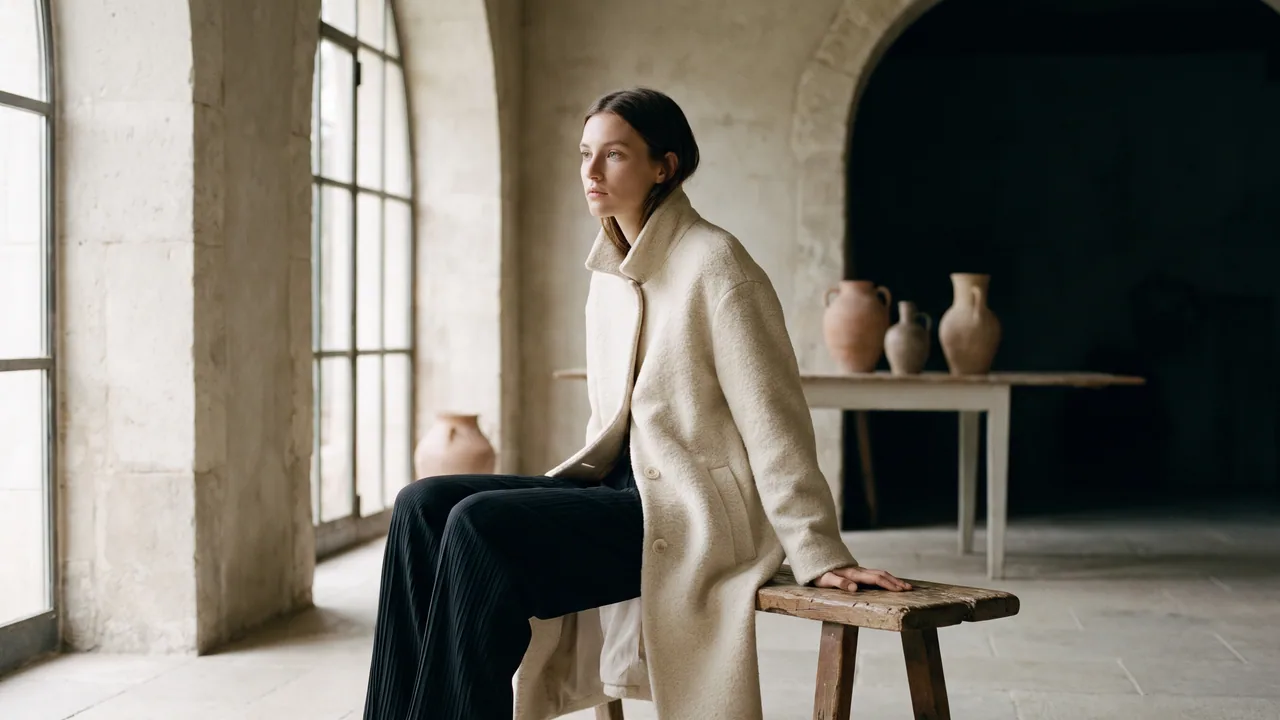
The Secrets Behind Unreleased Fashion Collections
Exploring how fashion houses protect unreleased collections through selective logging and data management.

Understanding the Value of Secrecy in Fashion
In the world of fashion, secrecy often holds a value as high as the garments themselves. The anticipation surrounding an unreleased collection can fuel a brand's allure, creating a mystique that draws in customers and critics alike. However, the delicate balance between showcasing creativity and safeguarding intellectual property poses challenges for fashion houses of all sizes. The decision about what to log and what to keep confidential is critical for maintaining this balance.
At Atelier Noir, we recognise that the essence of a collection is not solely in the garments displayed but also in the narrative crafted around them. A fashion house's unreleased collection is often a culmination of countless hours of design, sourcing, and refinement. Each piece carries with it a story that can be compromised if the details are prematurely exposed. Thus, understanding what to document and what to withhold is imperative.
Many brands choose to log essential data about their collections: design sketches, materials, and production timelines. However, they often refrain from detailing specific styling or marketing strategies until the official launch date approaches. This practice ensures that the brand retains an element of surprise, allowing for a more impactful introduction to the market.
The Role of Digital Solutions in Data Management
In recent years, we have witnessed a significant shift towards digital solutions that facilitate the management of sensitive information. Tools designed for project management and cloud storage provide both accessibility and security, enabling fashion houses to collaborate without exposing vital details. For instance, platforms like Asana or Trello allow teams to track progress while selectively sharing information amongst members.
However, the use of such tools must be approached with caution. While they enhance efficiency, they also introduce potential vulnerabilities. Data breaches can occur, exposing unreleased designs or marketing concepts to competitors. Therefore, a robust digital strategy must include stringent access controls and regular audits to mitigate these risks.
Moreover, as we embrace artificial intelligence in fashion photography, the integration of AI tools presents new opportunities and challenges. For example, using AI-generated imagery can allow a brand to visualise a collection without revealing physical prototypes. This not only aids in internal decision-making but also protects the collection's integrity by keeping it under wraps until the appropriate moment.
The Intricacies of Logging Practices
Logging practices in the fashion industry vary significantly from one brand to another. Some houses maintain extensive databases that include everything from initial concepts to final production details. Others opt for a more minimalist approach, documenting only essential milestones in the design process. This divergence often stems from the size and scale of the brand, as well as its internal culture.
For smaller ateliers, the challenge often lies in resource allocation. With limited personnel, the ability to meticulously log every element of a collection can be overwhelming. In these cases, prioritising which aspects to document becomes crucial. A focused approach might involve logging creative inspirations, fabric selections, and key design elements while excluding less critical details until closer to the launch.
“The anticipation surrounding an unreleased collection can fuel a brand's allure.”
Balancing Transparency and Discretion
Transparency in the fashion industry has become a buzzword in recent years, with consumers increasingly demanding insight into the processes behind their clothing. This presents a unique dilemma for brands: how to maintain a level of openness while safeguarding unreleased collections. Brands must navigate this landscape carefully, ensuring that they do not compromise their competitive edge.
Some fashion houses have found success in adopting a hybrid model, sharing select information about their design processes while keeping the focal elements of their collections confidential. This can include behind-the-scenes glimpses of design meetings or material sourcing, which humanise the brand without revealing the entirety of a collection. By creating an ongoing narrative, brands can engage consumers without sacrificing the element of surprise.
Additionally, the role of social media cannot be understated. Platforms like Instagram and TikTok enable brands to showcase snippets of their collections without fully unveiling them. The strategic use of teaser campaigns can generate buzz and anticipation, allowing for an organic build-up to a collection's release.
Protecting Intellectual Property
In the fashion industry, the protection of intellectual property is paramount. The risks associated with releasing a collection too early can lead to counterfeits or design theft, which can significantly impact a brand's reputation and financial standing. Therefore, many fashion houses implement stringent measures to safeguard their creative outputs.
Legal protections, such as trademarks and copyrights, are vital components of a brand's strategy. However, these measures must be complemented by proactive internal practices. For instance, limiting access to unreleased collections to a select group of trusted individuals can reduce the likelihood of leaks. Regular training on confidentiality for all staff involved in the design and production processes further reinforces this culture of discretion.
Moreover, innovative solutions like blockchain technology are beginning to emerge as potential tools for tracking and protecting designs. By creating a digital fingerprint of a collection, brands can establish provenance and secure their intellectual property against infringement.
Future Considerations for Fashion Houses
As the fashion industry continues to evolve, the strategies employed by fashion houses regarding logging and secrecy will undoubtedly adapt. The rise of digitalisation and artificial intelligence presents both opportunities and challenges that must be navigated with care. We must remain vigilant in our practices, continuously assessing and refining our approaches to data management.
Furthermore, as consumer expectations shift towards greater transparency, fashion houses will need to find ways to balance openness with the need for discretion. This tension will likely shape the future of fashion communications, influencing how collections are unveiled and marketed.
Ultimately, the craft of fashion lies not only in the creation of garments but also in the stories we tell and the secrets we keep. By mastering the art of logging and discretion, we can ensure that our unreleased collections remain shrouded in mystery until the moment they are ready to captivate the world.
To explore how Atelier Noir can assist your brand in navigating these complexities, we invite you to learn more about our offerings at Atelier Noir .