Upscaling is Where Campaigns Die: Respecting Fabric Texture
In fashion photography, the finishing touch is crucial. This exploration into texture fidelity reveals how it can make or break a campaign.
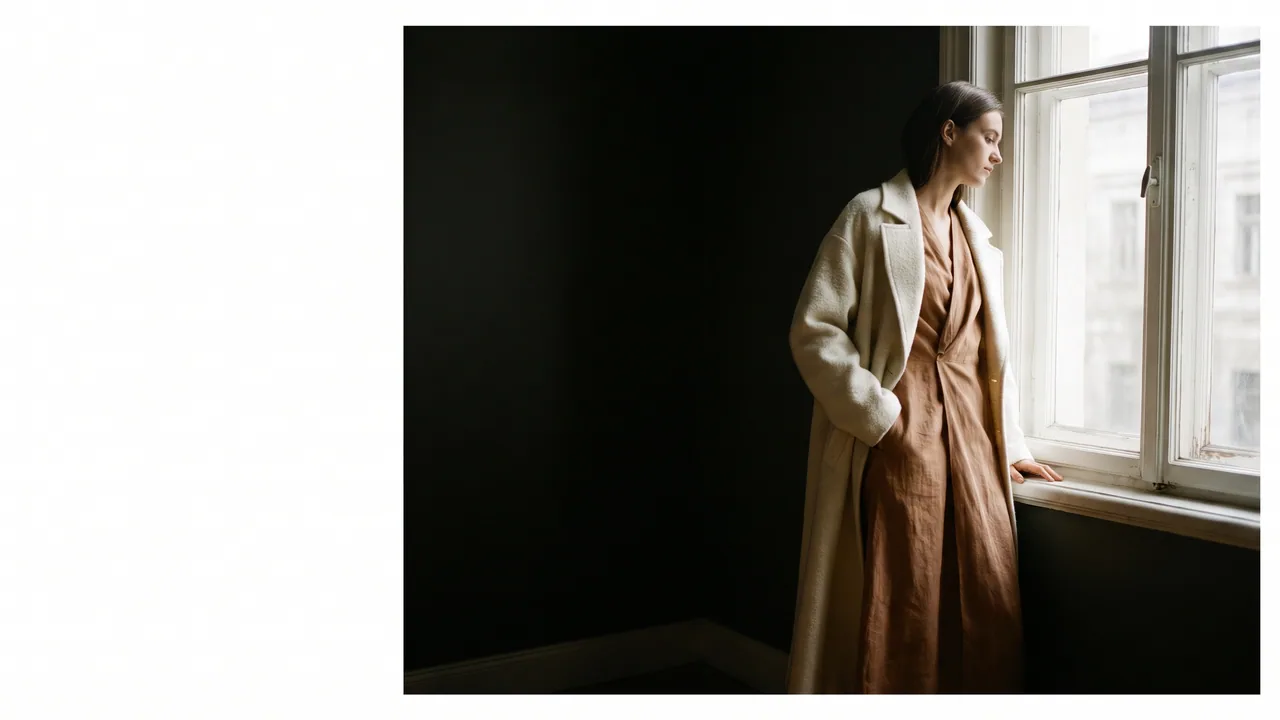
The Importance of Fabric Texture in Fashion Photography
In the realm of fashion photography, the interplay between fabric texture and visual storytelling is paramount. When we create editorial campaigns, the aim is to showcase not just the silhouette but the very essence of the fabric itself. A finely woven silk will catch light differently than a coarse cotton, and capturing these nuances in a photograph can evoke a visceral response from the viewer. This is why the finishing pass in our digital workflow is critical; it is the stage where texture can either flourish or falter.
Textiles possess a unique character, often reflecting the ethos of the brand that produces them. For independent fashion brands, representing the intricacies of fabric texture accurately can influence consumer perception and purchasing decisions. A poorly executed finishing pass can lead to a loss of authenticity, leaving potential customers disenchanted with the product. The challenge lies in maintaining the integrity of these textures while still achieving the desired aesthetic.
Our approach involves a meticulous process of upscaling images. In our experience, this step is frequently where campaigns falter. Many studios may opt for quick fixes that neglect the subtleties of the fabric, resulting in loss of detail. We must remember that a polished finish should not come at the expense of realism; rather, it should enhance the viewer’s understanding of the material and its qualities.
Understanding the Upscaling Process
Upscaling is a method used to increase the resolution of images, ensuring they can be printed or displayed at larger sizes without becoming pixelated. However, the challenge is to upscale without compromising the fine details that convey the texture of the fabric. For example, a standard upscaling algorithm might interpolate pixels in a way that smooths out the intricate patterns of a brocade, rendering it flat and lifeless.
To counter this, we employ advanced techniques that respect the original fabric characteristics. Tools such as Adobe Photoshop or specialized software like Topaz Gigapixel AI can aid in maintaining the texture integrity during the upscaling process. By selectively enhancing details and preserving the nuances of the fabric weave, we ensure that the final image remains true to the physical garment.
Moreover, the choice of finishing pass is not merely a technical decision; it is an artistic one as well. Each fabric type demands a different approach. For instance, a delicate lace may require a softer touch to avoid overwhelming the intricate patterns, while a robust denim might benefit from a more aggressive finish to emphasise its rugged texture. Understanding these subtleties informs our decisions and ultimately strengthens the visual narrative of the campaign.
Challenges in Maintaining Texture Fidelity
One of the core challenges in maintaining texture fidelity is the inconsistency often found across various displays and mediums. An image that appears rich and textured on a high-end monitor may lose its depth when viewed on a smartphone. This inconsistency can lead to a disconnect between the online representation of a product and the experience of the consumer when they receive it in person.
To combat this, we focus on delivering a cohesive experience across all platforms. This means considering not only the final image quality but also how it will be perceived in different contexts. For instance, when creating editorial campaigns , we often produce a series of images that can be used across multiple channels, ensuring that the texture and detail are preserved in each format.
Furthermore, the current trend towards augmented reality (AR) in fashion retail adds another layer of complexity. As brands explore AR to allow customers to visualise garments in their own space, the need for high-fidelity textures becomes even more critical. The consumer experience hinges on how well these digital representations convey the tactile qualities of the fabric.
“A polished finish should enhance the viewer’s understanding of the material, not compromise it.”
Tools and Techniques for Enhanced Textures
In our studio, we have invested in a variety of tools and techniques designed to elevate the quality of our imagery while preserving texture fidelity. Software like Capture One allows for meticulous colour grading and fine-tuning, enabling us to bring out the natural beauty of the fabric without overwhelming its characteristics.
Additionally, we employ 3D scanning technologies to capture the physical texture of fabrics accurately. This data can then be used to inform our digital processes, ensuring that the final image reflects the true nature of the material. By integrating these technologies, we can create images that resonate more profoundly with viewers, offering a glimpse into the tactile experience of the garment.
The choice of lighting also plays a pivotal role in texture representation. Soft, diffused lighting can enhance the subtleties of a fabric’s surface, while harsh lighting may create unwanted reflections that obscure detail. We often experiment with various lighting setups to find the best approach for each specific fabric type, balancing aesthetics with authenticity.
Consumer Expectations and Brand Integrity
The modern consumer is increasingly discerning, seeking authenticity in the products they purchase. They expect images to reflect the true qualities of the items they are considering, and any discrepancy can lead to dissatisfaction. This expectation places a significant responsibility on independent brands to ensure that their visual representations are as accurate as possible.
Inaccurate portrayals can damage brand integrity and lead to a loss of trust. For instance, if an image suggests a luxurious sheen that is not present in reality, customers may feel misled upon receiving the product. This can result in negative reviews, returns, and ultimately, a tarnished reputation.
Therefore, our commitment to honouring fabric texture in our work is not simply an aesthetic choice; it is a business imperative. By prioritising authenticity in our campaigns, we not only uphold the integrity of the brand but also foster a deeper connection with consumers, encouraging loyalty and long-term engagement.
Conclusion: A Call to Action for Thoughtful Practices
Atelier Noir for insights into our approach and offerings.